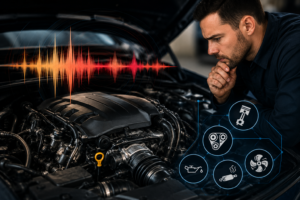
Understanding the Clicking Sound
There’s nothing quite as frustrating as turning your key in the ignition — or pressing that start button — only to hear a clicking noise instead of your engine roaring to life. Before you panic and call a tow truck, take a breath. That clicking sound is actually your car trying to tell you something specific, and in many cases, it’s a problem you can diagnose yourself.
The first thing you want to pay attention to is the pattern of the clicking. Is it a single, loud “clunk” followed by silence? Or is it a rapid-fire series of clicks that sounds almost like a machine gun? These two patterns point to very different problems, and getting this distinction right will save you time, money, and a whole lot of guesswork.
- A single click typically points to a problem with the starter motor itself — either the solenoid or the starter gear isn’t engaging properly.
- Rapid, repetitive clicking is almost always a sign that your battery doesn’t have enough juice to power the starter motor.
The location of the sound matters too. Clicking coming from the engine bay near the battery or starter is very different from a ticking that comes from deep within the engine. Pay attention to where the noise originates — it’s your first real clue in solving the mystery.
Dead or Weak Battery Issues
Let’s start with the most common culprit: a dead or weak battery. If you’re hearing that fast, repetitive clicking when you try to start your car, there’s a very good chance your battery is to blame. Here’s why that happens.
When your battery is low on voltage, it can’t deliver the sustained electrical power needed to run the starter motor. The starter motor requires a significant burst of energy — typically around 200 amps or more — to crank the engine. When the battery is weak, it might send just enough current to engage the starter solenoid (which makes that click), but not enough to actually turn the engine over. The result? Click, click, click, click — and no engine.
Signs Your Battery Is on Its Way Out
A dying battery rarely goes from fully functional to completely dead overnight. Watch for these warning signs:
- Headlights that appear dimmer than usual, especially at idle
- A slow, labored cranking sound before the engine starts
- Electronics like your radio or power windows behaving sluggishly
- Your car struggling to start on cold mornings
- A battery warning light appearing on your dashboard
DIY Tip: Grab a multimeter from any hardware store for around $10–$20. A healthy battery should read between 12.4 and 12.7 volts when the car is off. Anything below 12 volts means your battery is significantly discharged and likely needs replacing or at least a full charge.
Most car batteries last between 3 and 5 years. If yours is older than that and you’re experiencing clicking, it’s probably time for a replacement. Many auto parts stores will test your battery for free — it takes about five minutes and removes all the guesswork.
Faulty Starter Motor Problems
If your battery tests out just fine but you’re still hearing that single, definitive click when you turn the key, the starter motor moves to the top of the suspect list. The starter motor is an electric motor that physically cranks your engine to get it running. Over time, these motors wear out — and when they do, they often announce their failure with a click.
The click you’re hearing in this case usually comes from the starter solenoid — a small electromagnetic switch that’s supposed to engage the starter gear and send power to the motor. When the solenoid fires but the motor doesn’t respond, you get that single, hollow click.
How to Tell the Difference Between a Bad Battery and a Bad Starter
This is where a lot of people get confused, and understandably so. Here’s a quick way to differentiate:
- Bad battery: Rapid clicking, dim lights, sluggish electronics
- Bad starter: Single click, lights and electronics work fine, engine doesn’t crank at all
DIY Tip: Try the “tap test.” With the car in park and the parking brake engaged, have someone try to start the car while you gently tap the starter motor with a hammer or wrench. Sometimes a worn starter motor has dead spots in its windings, and a light tap can get it working temporarily. If this works, it’s a clear sign the starter needs to be replaced — but treat it as a temporary fix only.
Starter motor replacement typically costs between $200 and $500 depending on your vehicle make and model, including labor. It’s not a job most beginners should attempt, but it’s not incredibly complex for someone comfortable with basic mechanics.
Corroded Battery Terminals and Connections
Here’s one that often gets overlooked — and it’s one of the easiest fixes in the book. Corroded battery terminals can prevent electricity from flowing properly between your battery and the rest of your vehicle, causing symptoms that mimic a dead battery almost exactly, including that maddening clicking sound.
Pop your hood and take a look at your battery terminals. If you see white, blue, or greenish crusty deposits building up around the terminal posts or cable connectors, that’s corrosion. It acts as an insulator, blocking the electrical current your car desperately needs to start.
How to Clean Battery Terminal Corrosion
The good news? This is a completely DIY-friendly fix that costs almost nothing. Here’s what you’ll need:
- Baking soda and water (or a commercial battery terminal cleaner)
- An old toothbrush or wire brush
- Rubber gloves and eye protection
- A wrench to loosen the terminals
Disconnect the negative terminal first (the black one), then the positive. Mix a tablespoon of baking soda into a cup of water, apply it to the corroded areas, and scrub with your brush. The baking soda neutralizes the acid while the scrubbing removes the deposits. Rinse with clean water, dry thoroughly, reconnect the positive terminal first, then the negative, and apply a thin layer of petroleum jelly or terminal protector spray to prevent future corrosion.
Going forward, check your terminals every six months as part of your regular maintenance routine. It takes two minutes and can save you a lot of headaches.
Loose or Damaged Wiring Issues
Your car’s electrical system is a complex web of cables, connectors, and grounds. When any of these connections become loose or damaged, you can experience intermittent clicking and starting failures that seem random and frustrating to diagnose.
Loose battery cables are particularly common. The vibration from normal driving can gradually loosen the bolts that secure your battery cables to the terminals. If the connection isn’t solid, current can’t flow reliably — and you guessed it, you end up with clicking instead of starting.
Other Components to Check
- Ground straps: These connect your battery negative to the chassis and engine block. A loose or corroded ground strap is a surprisingly common cause of mysterious electrical gremlins.
- Starter wiring: The cables running directly to your starter motor can fray or loosen over time.
- Fusible links: These are special wires near the battery that act as fuses for large circuits. A burned fusible link can cause all kinds of electrical failures.
DIY Tip: Give all your visible battery cables a firm wiggle. They should feel absolutely solid with zero movement at the connection points. If anything moves more than it should, tighten it up with the appropriate wrench. While you’re at it, visually inspect the cable insulation for cracks, burns, or fraying.
Engine Timing and Valve Problems
Now we’re moving into territory that’s a bit more serious. If the clicking or ticking sound you’re hearing seems to come from inside the engine itself — particularly if it starts up during the first few seconds of running and then fades away, or persists during operation — you might be dealing with timing or valve train issues.
A worn timing chain or belt can create a metallic rattling or clicking sound at startup, particularly when the engine is cold and oil hasn’t yet circulated fully. Similarly, worn valve train components — including rocker arms, lifters, and camshaft lobes — can produce a ticking sound that’s most noticeable right after startup.
Low oil pressure is often the underlying villain here. If your engine isn’t getting adequate lubrication at startup, metal components contact each other directly, creating that characteristic ticking noise. This is why regular oil changes are so important — old, thin oil doesn’t provide the same protective film as fresh oil.
Important: If you suspect timing or valve train issues, this is not the territory for DIY guesswork. Ignoring these problems can lead to catastrophic engine failure. If your check engine light is on alongside the clicking, or if the noise doesn’t go away within 30 seconds of starting, get your car to a mechanic promptly.
Alternator and Charging System Failures
Your alternator is the unsung hero of your vehicle’s electrical system. While the battery provides the initial burst of power needed to start the car, the alternator takes over once the engine is running, generating electricity to power everything and recharge the battery simultaneously.
When your alternator starts to fail, it doesn’t charge your battery properly while you drive. This means that even though your car might start fine one morning, after a few trips around town, your battery slowly drains. Eventually, you go to start the car and — click click click — there’s not enough power left to crank the engine.
Signs Your Alternator Is Failing
- Battery warning light illuminated on the dashboard
- Lights flickering or dimming while driving
- Strange electrical behavior (radio resetting, power accessories failing)
- A whining or grinding noise from the engine bay while the car is running
- Battery dying repeatedly even after replacement
The telltale sign that links alternator failure to your clicking problem is pattern of failure. If your battery keeps dying even though it’s relatively new, the alternator isn’t charging it. Most auto parts stores will test your alternator output for free — a healthy alternator should produce between 13.5 and 14.5 volts with the engine running.
When to Seek Professional Help
While many of the issues discussed above have DIY solutions, there are definitely situations where calling in a professional is the smart move. Here’s a straightforward guide to knowing when to pick up the phone.
Seek Immediate Professional Help If:
- You’ve replaced the battery and the problem persists
- The clicking is accompanied by smoke or a burning smell
- Your check engine light is on along with the clicking
- The noise is coming from deep inside the engine and doesn’t go away
- The problem is intermittent and impossible to reproduce consistently
What Professionals Will Do
A good mechanic will run a full battery and charging system test, check starter draw with an amp meter, inspect all ground connections, and potentially perform a compression test if internal engine issues are suspected. They have specialized diagnostic equipment that can pinpoint electrical faults in minutes that might take a DIYer hours to find.
Cost Considerations
- Battery replacement: $100–$300 including installation
- Starter motor replacement: $200–$500
- Alternator replacement: $300–$700
- Battery terminal cleaning: $20–$50 at a shop, nearly free DIY
- Wiring repairs: $100–$400 depending on complexity
- Valve train or timing work: $500–$2,000+ depending on severity
Always get at least two quotes for any repair over $200. And remember — addressing a clicking problem early almost always costs less than waiting until the car won’t start at all.
Frequently Asked Questions
Q1: My car clicks once and won’t start. Is it definitely the starter?
A single click strongly suggests a starter motor problem, but it’s not definitive. Check that your battery has adequate voltage first (12.4V or higher). If the battery is fine and you’re only hearing one click, the starter solenoid or motor is the most likely culprit. The tap test described above can help confirm this suspicion before you spend money on parts.
Q2: Can a clicking car be jump-started?
If the clicking is caused by a dead or weak battery, then yes, a jump start should work. Connect the jumper cables correctly (positive to positive, negative to ground), let the donor car run for a few minutes, then try starting. If the car starts, drive it for at least 20–30 minutes to allow the alternator to recharge the battery. If the car won’t jump-start, the problem likely isn’t the battery alone.
Q3: How long can I drive with a clicking noise before something breaks?
It completely depends on the cause. Electrical issues like a weak battery or corroded terminals should be addressed immediately since they could leave you stranded at any time. Engine-related clicking like valve train noise needs prompt attention but may allow limited driving. If the noise is timing-related, you shouldn’t drive the car at all — a timing chain failure can destroy your engine in seconds.
Q4: Why does my car click in cold weather but start fine in warm weather?
Cold weather is particularly hard on batteries. Low temperatures reduce a battery’s ability to deliver current — sometimes by as much as 50%. A battery that’s borderline weak might start the car just fine on a warm day but fail completely when temperatures drop. If this is a recurring seasonal issue, it’s a strong sign your battery is nearing the end of its life and should be replaced before winter sets in.
Q5: Could a clicking noise when starting ever be completely normal?
In some cases, yes. Certain fuel injected engines have fuel injectors or fuel pressure regulators that make a slight ticking or clicking sound during the pre-start priming cycle. Some vehicles also have normal relay clicks when electronics initialize. However, if the clicking is preventing your car from starting or is louder and more mechanical-sounding than usual, it should always be investigated. When in doubt, get it checked — your peace of mind is worth it.